The Spider

I only came to understand the symbolism of the spider after further reading about the artist. In Ode à Ma Mère (1995) Bourgeois described her mother as her best friend and as ‘deliberate, clever, patient, soothing , reasonable, dainty, subtle, indispensable, neat and as useful as a spider’ who could also ‘defend herself’ and her daughter. (Bourgeois, 1995 page 9).
From the outside, Bourgeois’ mother, symbolised by the spider, needed to bare the abandonment and infidelity of her father, whilst continuing to protect her daughter and the family web (home), while at the same time, keeping her emotional strength. A mother that is strong enough to tolerate the wounds of life.
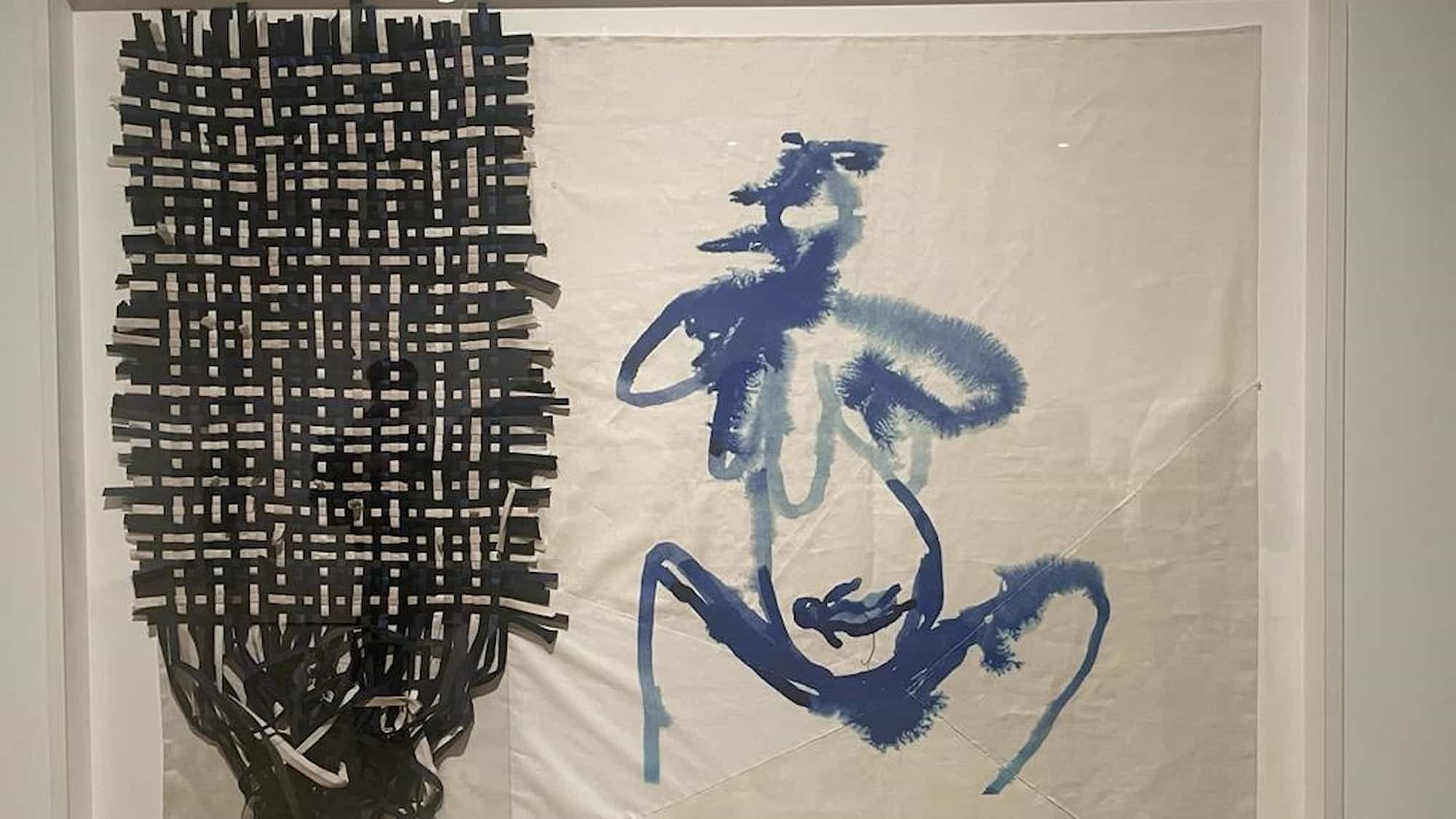
A spider, for Bourgeois, is an object that can repair, that is able to turn a damaged being and transform it. As you can read in the exhibition text, “The spider is a repairer. If you bash into the web of a spider, she doesn’t get mad. She weaves and repairs it”. Interestingly, Bourgeois’ mother was a weaver.
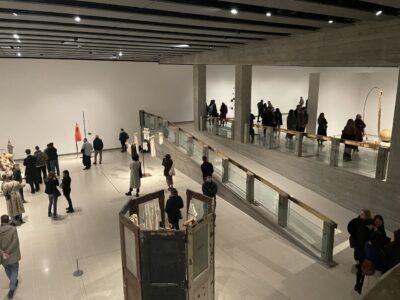
Inside the cage structure underneath the spider you will find a tapestry covered chair, fragments of tapestry fixed to the wall and a selection of personal belongings. It gives a dynamic expression to the interaction, where Bourgeois can place her painful memories and confusing elements, inside the spider mother, seeking to be repaired, or protected from the disturbing elements of childhood.
In this way the spider is an internal ability that might represent an early capacity of her mother to cope and manage Bourgeois’ early feelings of anxiety, pain, destruction, sadness and confusion.
The materials Bourgeois uses in this sculpture, the strong metal in the legs of the spider and in the cage, make you feel the weakness of humans upon that unbeatable metal, you can be protected within it or trapped. The fabrics she used for the sculpture are also fabrics that she used in her day to day life. A representation of the memories that stay with us lingering around in the search of meaning, expression or even reparation.
If you have time to see it, it is a must!
By Rodrigo and Ruth Sanchez Escandon